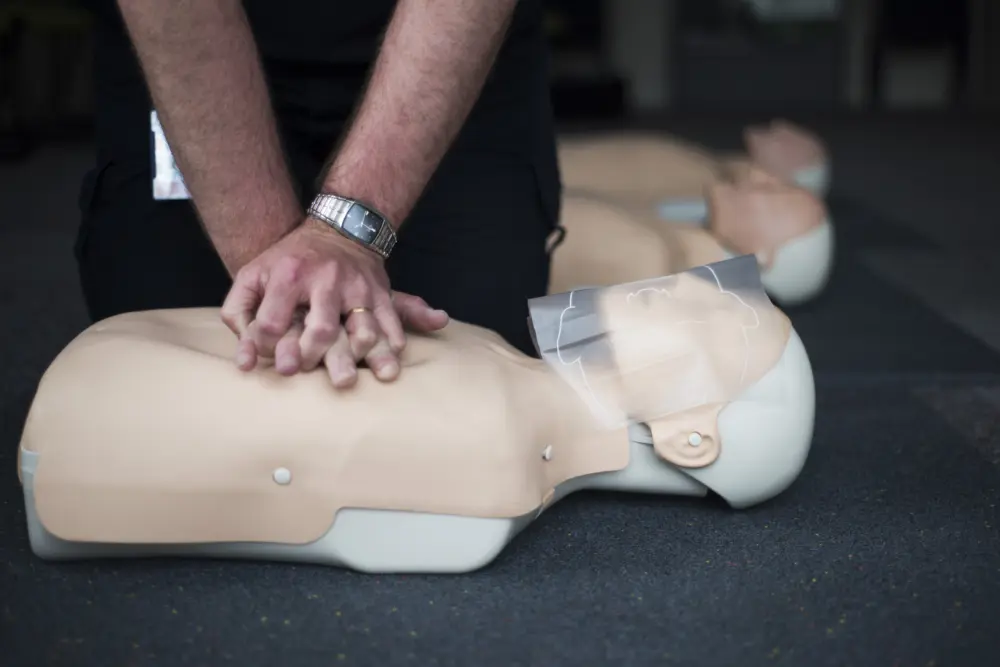
Looking for first aid courses Cambridge residents trust, that are easy to book and ready when you are? We run nationally recognised public & onsite courses for individuals & businesses from our first aid training centre in Hobart. Flexible dates and fast certificates. Moreton Group have been delivering first aid courses Tasmania Business Trust, issuing more than 45,000 certificates since 2008.
Our Hobart first aid training facility is the central hub for first aid courses in Hobart, conveniently located to service both the CBD and the surrounding suburbs. This well-appointed venue features modern, purpose-built training rooms designed to create a professional yet comfortable environment for both public courses and tailored corporate sessions. With easy access via major roads and nearby public transport options, getting to your course is simple and stress-free.
Students and organisations benefit from a practical learning setup, with access to hands-on training spaces, essential amenities, and flexible room configurations that support real-world first aid scenarios. Whether you are enrolling in a public first aid course in Hobart or organising on-site group training for your team, our facility is equipped to deliver high-quality training in a convenient and accessible location.
How to get to the Moreton Group Training Facility in Hobart
Drive west along the Tasman Highway towards Hobart, then continue across the bridge and follow the route north towards our first aid training facility. 190 New Town Road is located north of Hobart CBD.
Bus
From Cambridge, travellers can take routes 664, 665 or X64 towards Hobart, then connect in the city to a New Town Road service.
First Aid Courses Cambridge FAQs
Are first aid courses in Cambridge useful for airport and business park workplaces?
Yes. Cambridge has a strong workplace safety angle because it sits around Hobart Airport, Cambridge Aerodrome, industrial estates and business park areas. First aid and CPR training is practical for airport staff, warehouse teams, trades, logistics workers, light industrial businesses, retail outlets and office teams working around Kennedy Drive, Holyman Avenue and the Tasman Highway corridor. Hobart Airport is located at 6 Hinkler Road, Cambridge, giving the suburb a clear transport and employment focus.
Can Cambridge employers book group first aid or CPR training?
Yes. Group training is a good fit for Cambridge workplaces that need several staff trained at once, especially light industrial businesses, aviation-related operators, logistics teams, trades, depots, showrooms and hospitality venues. It can help employers keep staff training consistent without sending multiple workers into central Hobart on separate days.
Is first aid training important for industrial and trade businesses in Cambridge?
Yes. Cambridge has a strong industrial-commercial precinct, including the Cambridge Airport Industrial Estate, so first aid training is particularly relevant for businesses dealing with tools, vehicles, machinery, loading areas, chemicals, manual handling or outdoor work. Workplace first aid requirements should be based on the nature of the work, hazards, workplace size and location.
Is CPR training useful for Cambridge aviation and tourism operators?
Yes. Cambridge’s airport and aviation presence makes CPR and first aid training especially useful for staff who deal with travellers, pilots, passengers, visitors, contractors or outdoor tour groups. Cambridge Aerodrome has a long aviation history and supports aviation operators, training and tourism-related activity, so fast emergency response skills are a practical fit for the local area.
How often should Cambridge workers renew CPR and first aid certificates?
CPR is commonly refreshed every 12 months, while general first aid is commonly renewed every 3 years, depending on workplace or industry requirements. Cambridge employers should consider their specific risks, including shift work, aviation operations, industrial worksites, lone workers, visitor traffic and distance from immediate medical support.